Gulf Conflict: Impacts for Commodities Contracts Amid Rising Disputes
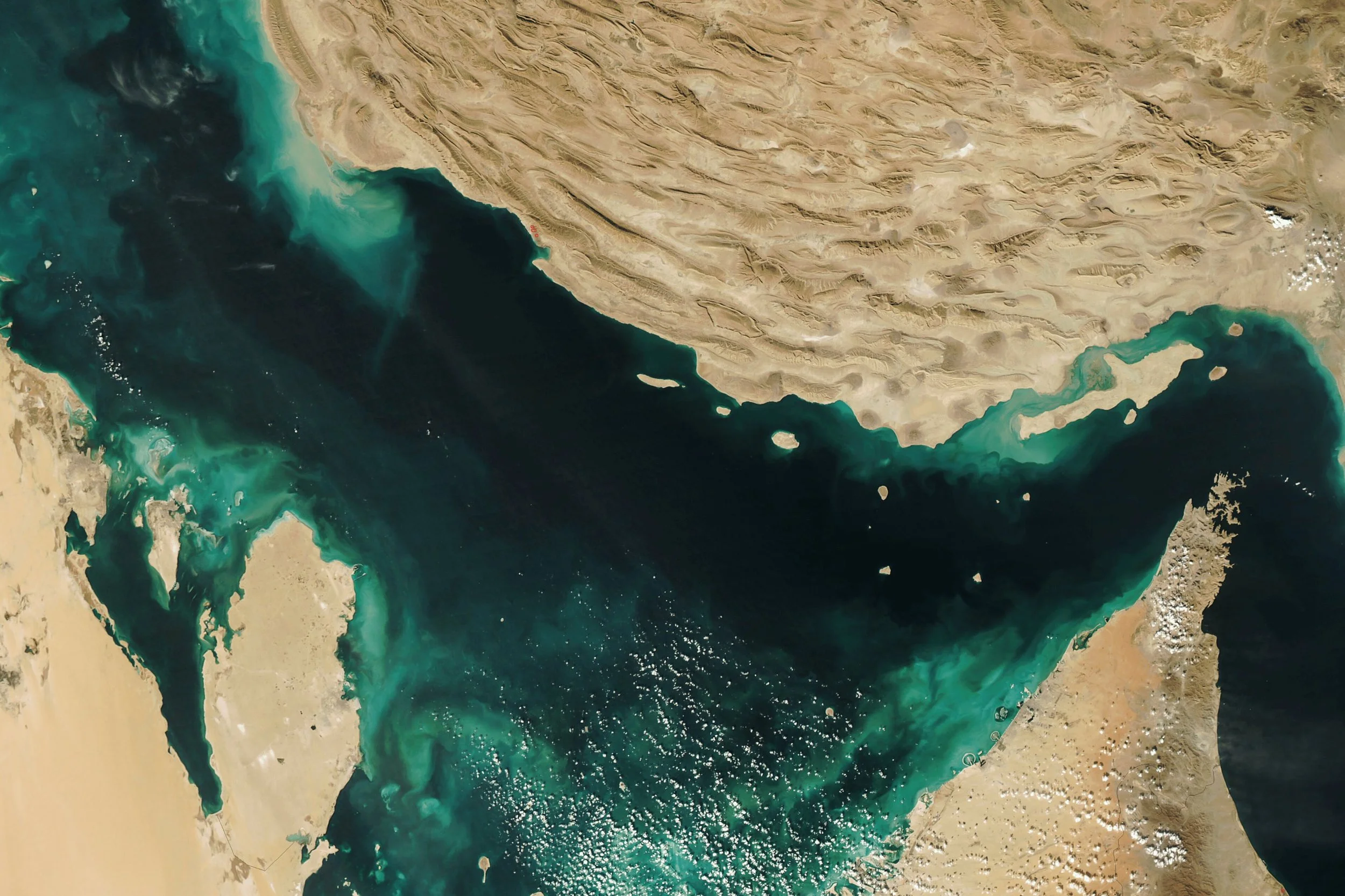
Disruption to commodity flows in the Gulf is leading to a surge in contractual disputes across energy and commodities markets.
How can organisations protect themselves and how can expert witnesses help?
Enco Insights, London - 06 May 2026
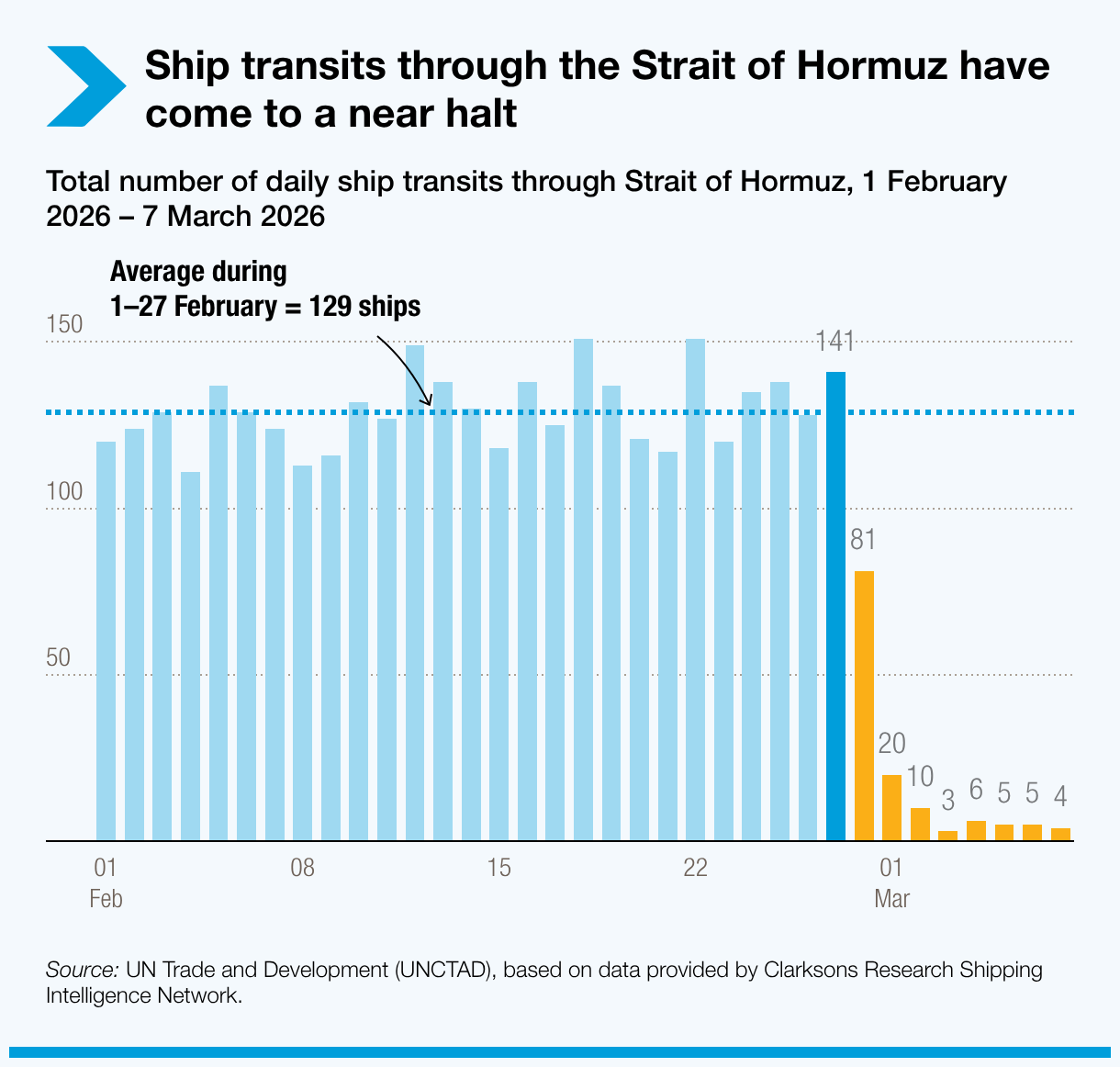
The conflict in the Gulf is increasingly being felt not just in higher oil and commodity prices and closed shipping routes, but by in-house counsel and their advisors. What began as a logistical shock following the effective closure of the vital Strait of Hormuz shipping route is now testing the legal and contractual foundations of global energy and commodities markets.
Speaking on the HC Commodities Podcast to Enco Insights’ Executive Director, Paul Chapman, Archie Hunter, Commodities Trading Reporter at Bloomberg says the early response from the industry was shaped by pragmatism: “There was a sense that things could get really bad,” he says. "So you maybe pay the price now if you really need the product.”
This adaptability, however, has not shielded the industry from legal fallout. As producers across the Middle East issue more force majeure notices and cargoes fail to arrive, long‑standing contracts - built on assumptions of open markets and functioning logistics - are coming under strain. Refiners have been forced to cut output, shipping schedules have unravelled and traders are increasingly caught between customers demanding performance and suppliers unable, or unwilling, to deliver.
Listen to the Podcast
“We’re really just hearing the early rumblings. It feels like a reasonably sized boulder coming down the mountain.”
Surge in disputes
The result is a fast‑growing deluge of disputes. Disagreements over shipping responsibility, price benchmarks and termination rights are proliferating. In many cases, a single undelivered cargo can generate multiple claims because physical oil and other commodities are often sold several times before loading.
For Hunter, this complexity is structural. “Traders don’t always know who their counterparty is up the chain,” he says. “They don’t always know who’s holding the resource, where it’s coming from, or sometimes where it should be delivered to until very late in the day.” In normal conditions, traders act as shock absorbers, sparing other firms from volatility. “But in extreme situations,” he adds, “you get disagreements about how things should have been done.”
Those disagreements are being intensified by how markets themselves have responded. Some pricing benchmarks and shipping indexes have struggled to reflect real‑world constraints, leaving firms with difficult choices: adjust contracts and risk moral hazard, or stick rigidly to terms that no longer function and watch liquidity dry up. As Hunter puts it, executives, describe markets as now “slightly fracturing” under the weight of events they were never designed to price.
Expert witness advice
Against that backdrop, energy and commodities firms and their advisers are increasingly turning to specialist commodity trading experts, such as those offered by Enco Insights, to navigate the growing volume and complexity of disputes. Rather than relying solely on legal argument, many cases hinge on granular questions of market practice, logistics and operational feasibility during periods of extreme disruption. Expert witnesses are often asked to explain how markets function under stress - an issue now central to many Hormuz‑related disputes.
Hunter believes this demand for expertise reflects the breadth of the shock. “When you’re dealing with such a big array of supply shocks across so many commodities, it’s going to affect a huge number of companies too,” he says. “Many will either work it out between themselves, or they’ll say: we’re going to have to take this to arbitration or court.”
Long‑term impacts
Even if shipping through the Gulf eventually normalises, the legal aftershocks may continue for years.
“Big profits and big losses will be litigated when all this is said and done,” Hunter says. “People will debate how markets should have operated and how contracts should have been executed. We’re really just hearing the early rumblings. It feels like a reasonably sized boulder coming down the mountain.”